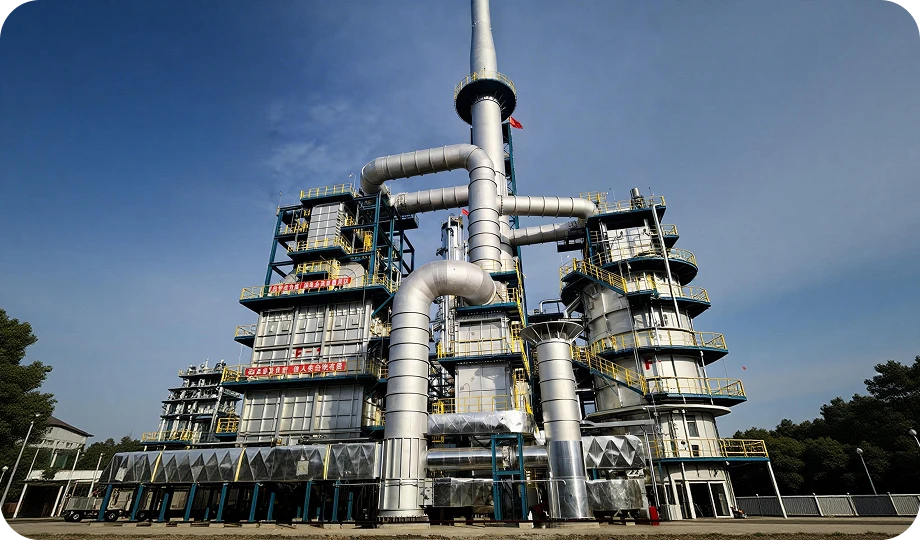
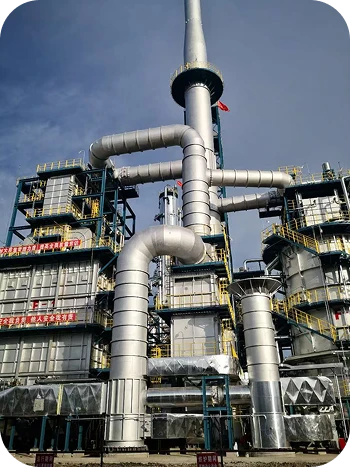
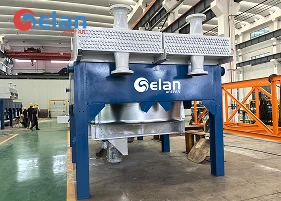
What Does a Crude Distillation Furnace Do in a Refinery
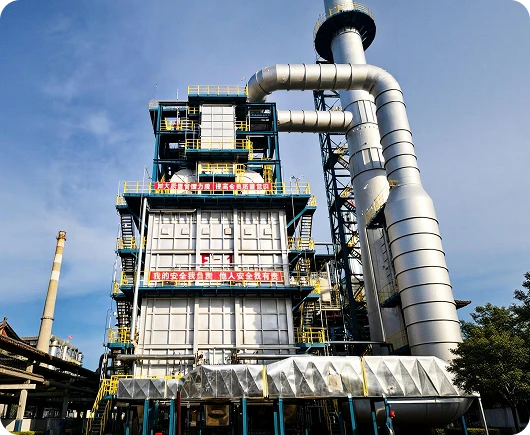
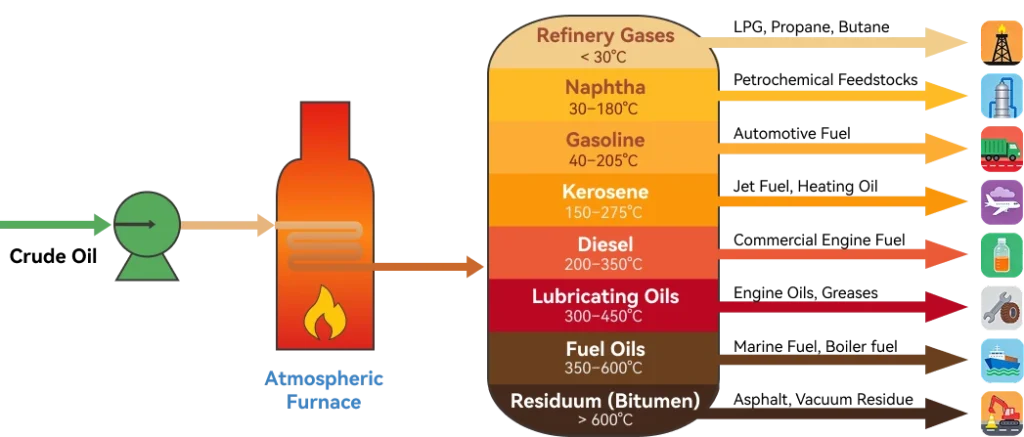
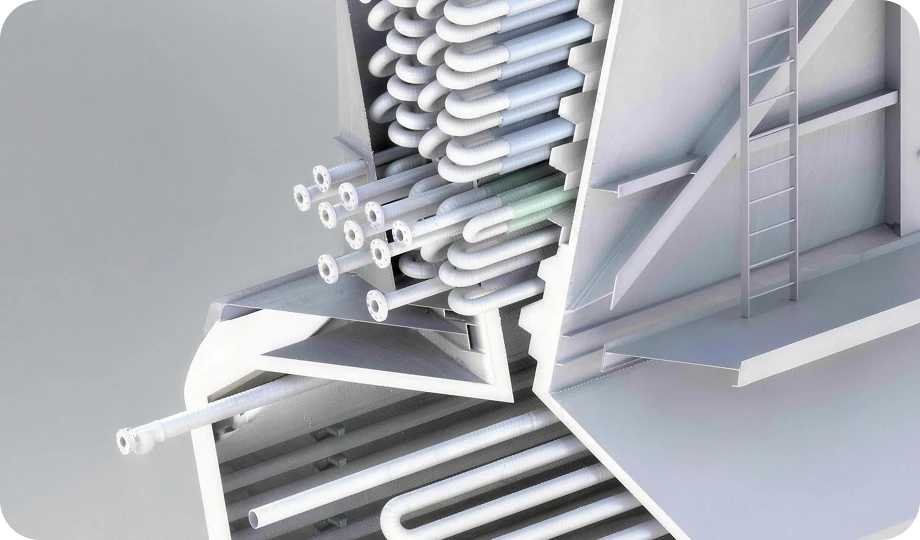
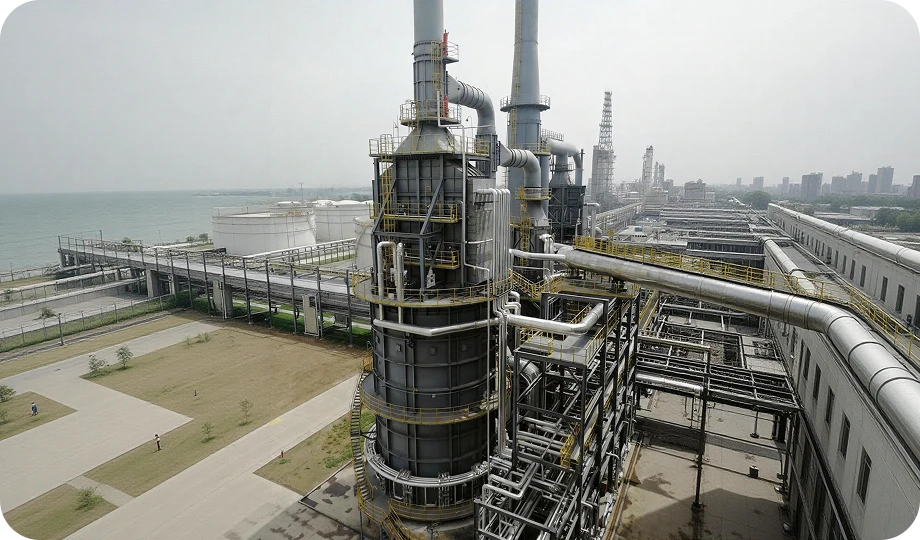
The furnace provides the final and most critical heat input before crude oil enters the distillation column. In a refinery, crude oil cannot be separated directly. It must first be heated to the proper temperature range so that different components can vaporize and be separated at different boiling points.
Where Does the Atmospheric Furnace Fit in the CDU Process
The atmospheric furnace is located upstream of the distillation column in the crude distillation unit (CDU). After initial preheating, crude oil enters the furnace for final heating before separation.
In a typical CDU Process:
Crude oil is preheated through heat exchangers
It then enters the atmospheric furnace for final heating
Heated crude flows into the distillation column for separation
Learn More
What Does a Crude Distillation Furnace Do in a Refinery
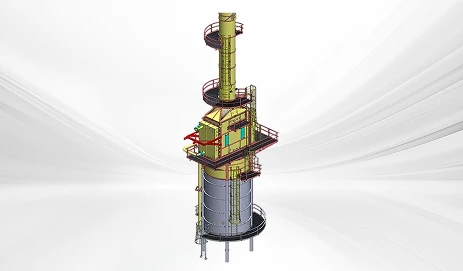
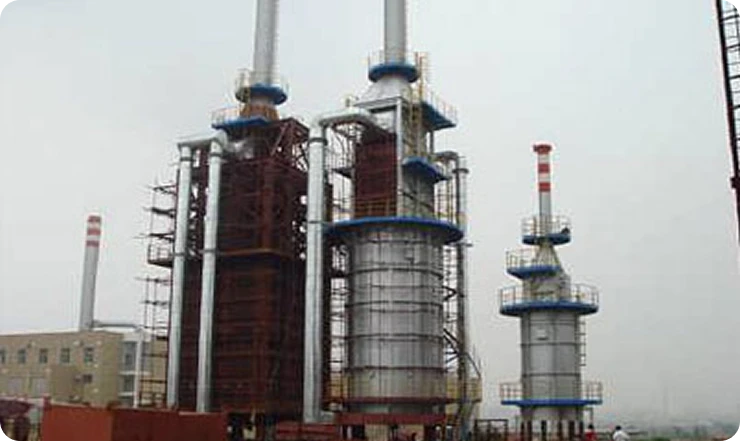
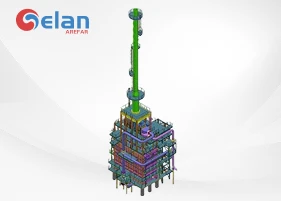
Cylindrical Furnace
Uniform heat distribution
Stable operation for high-throughput units
Common in large-scale refinery applications
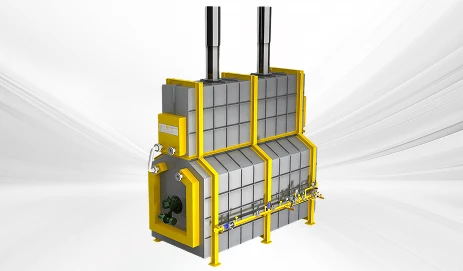
Box-Type Furnace
Compact and modular design
Flexible layout and easier maintenance
Suitable for modular or space-constrained projects
Furnace design must match crude properties, processing capacity, and required heat duty.
Gelan approach:
Customized design based on crude type and process duty
Flexible configuration for different refinery capacities
Typical performance:
Capacity: up to 200,000 BPD
Design adapted to different crude propertie s and operating conditions
02
Heat Distribution & Coking Risk
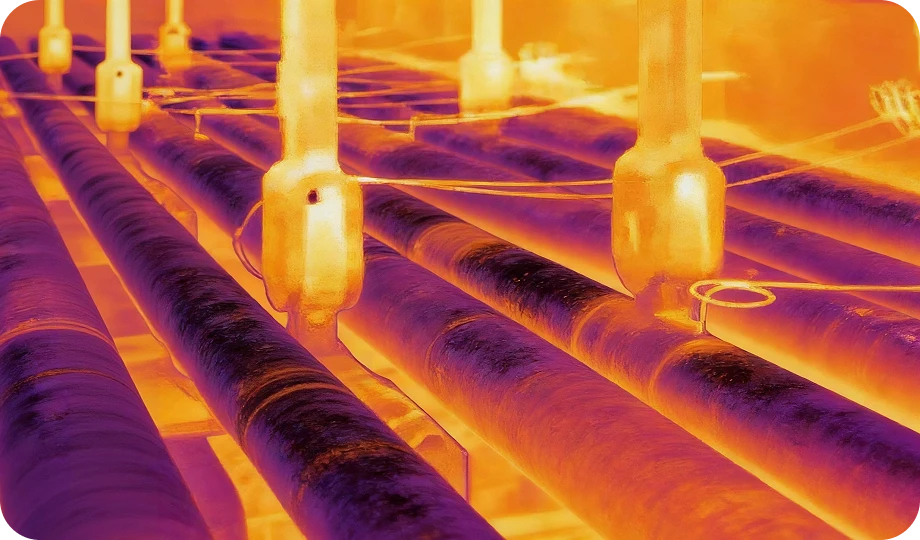
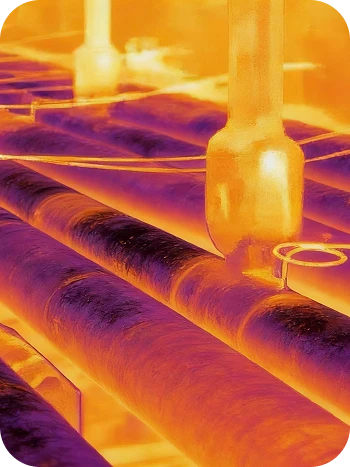
Uneven heat distribution increases coking risk and affects long-term operation.
Gelan approach:
Optimized burner layout
Heat flux simulation based on process conditions
Controlled radiant section heat distribution
Typical performance:
Tube wall temperature deviation: ≤ ±10–20°C
Reduced coking risk under normal operation
03
Tube Life and Material Performance
Tube condition directly affects shutdown frequency and maintenance cost.
Gelan solution:
Cr-Mo alloy materials for high-temperature service
Improved resistance to carburization and creep
Optimized tube arrangement
Typical performance:
Tube lifetime: typically 5–8 years
Stable operation at high process temperatures
04
Combustion and Energy Efficiency
Combustion stability affects fuel consumption and overall operating cost.
Gelan design:
Optimized burner layout
Controlled air–fuel ratio
Compatible with refinery fuel gas
Typical performance:
Thermal efficiency: up to 90%+
Stable operation across different load conditions
Where Are Crude Distillation Furnaces Used
Typically applied in refinery CDU systems and integrated processing units.
Used in crude oil processing units where stable heating is required before distillation
Refinery Industry
Used in integrated projects where crude processing supports downstream chemical production
Petrochemical Industry
Crude Distillation Furnace Projects Delivered by Gelan
Atmospheric Furnace Revamp for 80,000 BPD Refinery Upgrade
Project Background:
Furnace design and fabrication for a refinery crude distillation unit handling medium to heavy crude.
Key requirement:
Integration with existing units and improved heating efficiency.
Gelan support:
Customized furnace design for existing layout constraints
Optimization of combustion system and heat distribution
Result:
Improved thermal efficiency (up to 90%+)
More stable operation after upgrade
Reduced fuel consumption compared to original system
Related Equipment in the Distillation Process
A crude distillation furnace works together with other key equipment in the crude distillation unit to ensure stable operation and efficient separation.
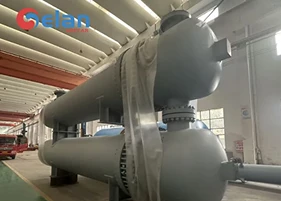
Shell & Tube Heat Exchangers
Used to preheat crude oil before it enters the furnace, helping recover heat and reduce fuel consumption.
A crude distillation furnace is used to heat crude oil before it enters the distillation column. This allows different components to be separated based on their boiling points.
What is the difference between an atmospheric furnace and a vacuum furnace?
An atmospheric furnace is used in the first stage of crude oil processing (CDU/ADU), while a vacuum furnace is used in the next stage (VDU) to process heavier residues under reduced pressure.
What temperature does a crude distillation furnace operate at?
A crude distillation furnace typically heats crude oil to around 350–400°C before it enters the distillation column, depending on the process design and crude type.
How do you choose the right crude distillation furnace?
The right furnace is selected based on processing capacity, crude properties, required heat duty, and site layout. These factors determine the furnace type, configuration, and material selection.
What affects furnace performance in refinery applications?
Furnace performance is mainly affected by heat distribution, coking risk, tube material, and combustion efficiency. These factors directly affect operation stability, maintenance frequency, and energy consumption.
How often do furnace tubes need to be replaced?
Furnace tubes typically last around 5–8 years under normal operating conditions, depending on temperature, crude properties, and maintenance practices.
Can crude distillation furnaces be customized?
Yes, crude distillation furnaces are typically customized based on capacity, crude type, fuel conditions, and project requirements.
Can you support furnace design for my project?
Yes. Gelan provides engineering support from design to fabrication based on project capacity, crude properties, and operating requirements.
Get a Quote for Your Crude Distillation Furnace Project
Tell us your project details, and our engineering team will support you with furnace selection, design, and quotation based on your process requirements.