Cracking Furnace for
Petrochemical and Fluorochemical Production
Cracking furnaces are critical to petrochemical and fluorochemical production.
They directly affect output, energy efficiency, and operating cost.
At Gelan, we design cracking furnaces based on real process conditions, helping you achieve stable operation, better efficiency, and longer service life.
- Supports production of TFE, VDF, HFP and other high-value products
- table operation under 800–950°C high-temperature conditions
- Engineered for long tube life and uniform heat distribution
What Is a Cracking Furnace in Your Process
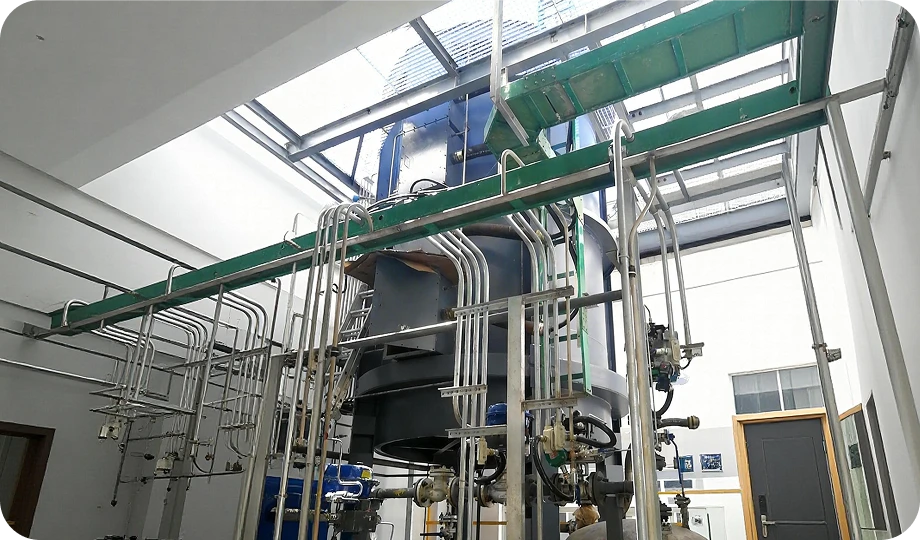
A cracking furnace is core equipment that converts heavy hydrocarbons into lighter, high-value chemical products under high temperatures.
In simple terms, it turns lower-value oil or gas into key feedstocks such as ethylene and fluorochemical products like TFE, VDF, and HFP. For your plant, this means higher product value, better feedstock utilization, and more stable operation.
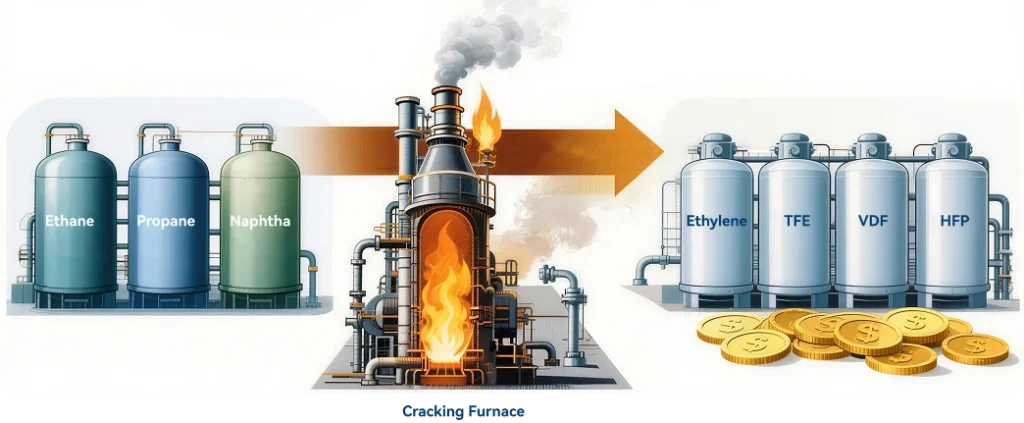
Industrial Cracking Process Flow
Different cracking processes use different feedstocks and produce different end products. In a typical ethylene cracker process, the furnace is the core reaction unit. Similar process routes are also used in fluorochemical production.
At Gelan, we design cracking furnaces for these demanding processes, with configurations tailored to different feedstocks, reaction conditions, and product targets.
Gelan Cracking Furnace Technical Data
| Parameter | Typical Range |
|---|---|
| Operating Temperature | 800–950°C |
| Furnace Type | Ethylene / Fluorochemical Cracking Furnace |
| Feedstock | Ethane, Propane, Naphtha, Fluorinated Intermediates |
| Heat Source | Gas-fired / Fuel-fired |
| Tube Material | High-grade alloys (HK, HP, micro-alloy) |
| Tube Metal Temperature Control | ≤ ±10–15°C deviation |
| Thermal Efficiency | Up to 90%+ (depending on design) |
| Design Standards | API / ASME / project-specific requirements |
| Configuration | Custom design based on process conditions |
*All specifications are customized based on feedstock type, process conditions, and project requirements.
How Gelan Improves Cracking Furnace Performance
±10–15°C Temperature Control for Stable Yield
- Tube metal temperature deviation: ≤ ±10–15°C
- More stable product yield and quality
Poor temperature control leads to uneven reactions and yield loss.
Gelan improves heat distribution across the furnace to keep temperature more uniform and support stable production.
3–6 Year Tube Life Under High-Temperature Conditions
- Typical tube lifetime: 3–6+ years
- Reduced tube replacement frequency
Tube failure is one of the main causes of shutdowns.
Gelan selects materials based on process requirements, balancing high-temperature strength and corrosion resistance for longer service life.
Lower Fuel Consumption and Operating Cost
- Improved thermal efficiency in high-temperature operation
- Reduced long-term fuel cost
Cracking furnaces consume a large amount of energy.
Gelan optimizes heat utilization and combustion efficiency to reduce energy loss and operating cost over time.
Supports Ethylene, TFE, VDF, and HFP Production
- Custom furnace designs for ethylene and fluorochemical production
- Configurations tailored to feedstock type, reaction conditions, and product targets
Different processes require different furnace structures, materials, and temperature control strategies.
Gelan matches furnace design to your process, product, and operating conditions instead of using a standard configuration.
Longer Run Length with Lower Fouling Risk
- Reduced coking and fouling
- Longer continuous operation cyclest
Fouling leads to frequent shutdowns and higher maintenance cost.
Gelan improves flow distribution and internal design to reduce fouling and extend run length.
Where Cracking Furnaces Are Used
Used in ethylene plants where ethane, propane, or naphtha is cracked into basic chemicals
Petrochemical Production
Used to produce TFE, VDF, and HFP from fluorinated intermediates under high-temperature conditions
Fluorochemical Production
Typical Cracking Furnace Projects By Gelan
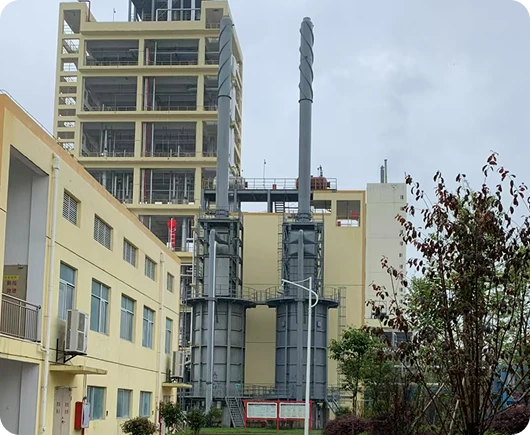
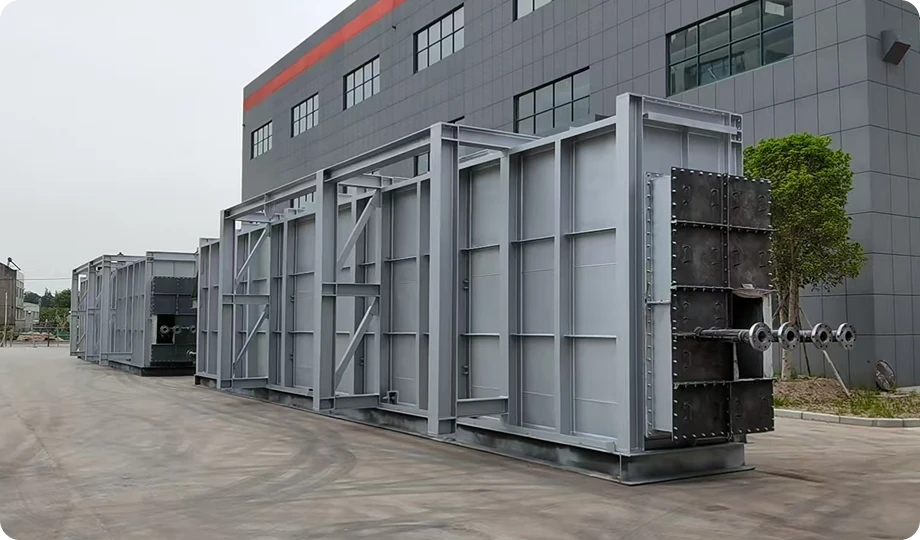
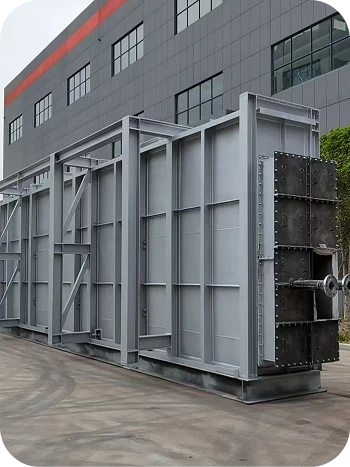
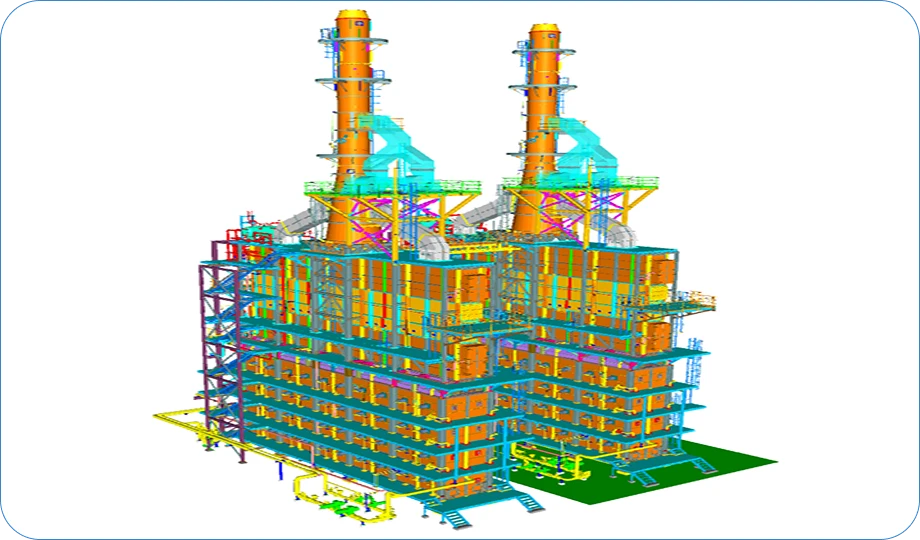
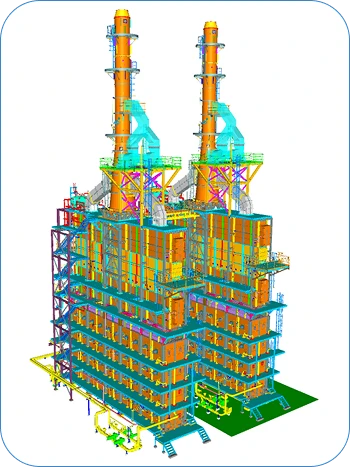
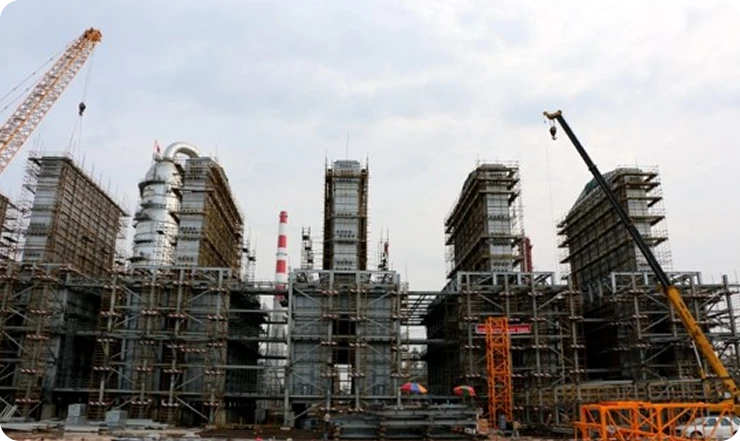
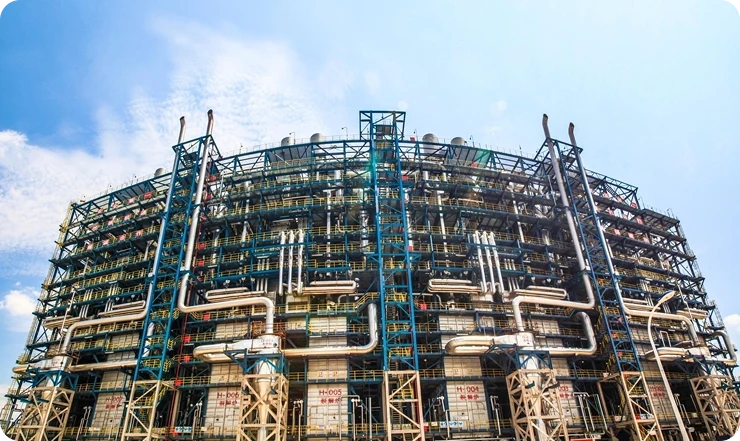
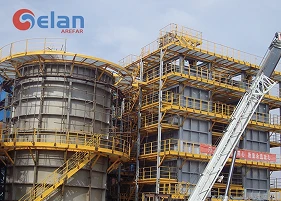
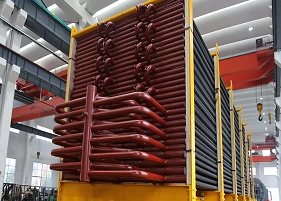
Ethylene Cracking Furnace Convection Section Module Project
Project characteristics
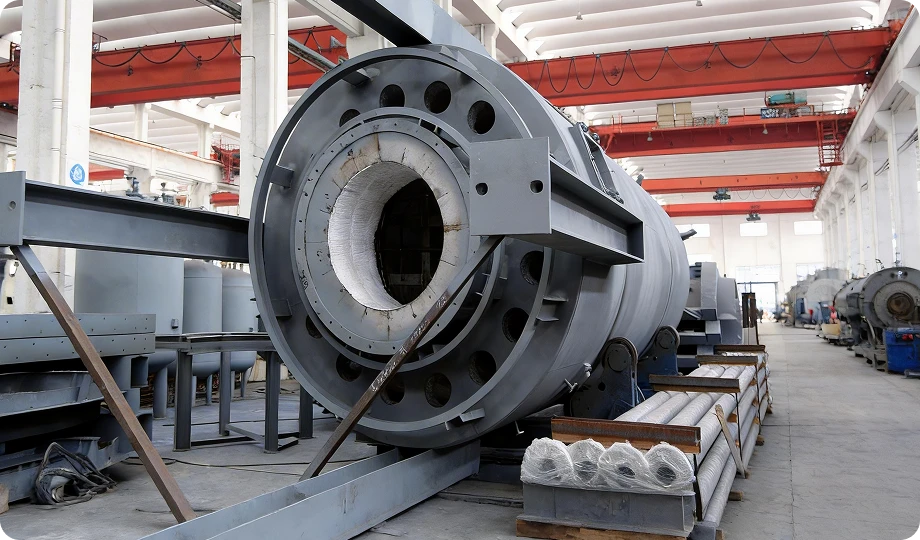
Convection section module fabrication for a large-scale 800,000 t/y ethylene cracking furnace project.
Key requirement:
Stable module quality, accurate fabrication, and reliable delivery for a high-capacity ethylene unit.
Gelan support:
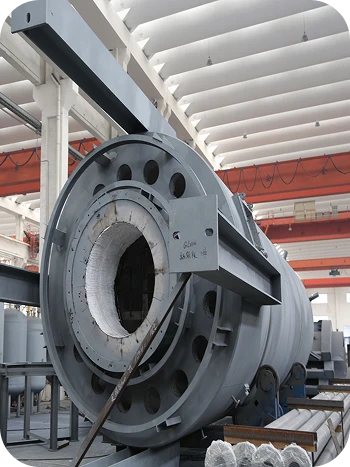
- Convection section module fabrication
- Structural and assembly quality control
- Delivery support for large ethylene furnace projects
Result:
The unit achieved successful start-up and stable operation after commissioning.
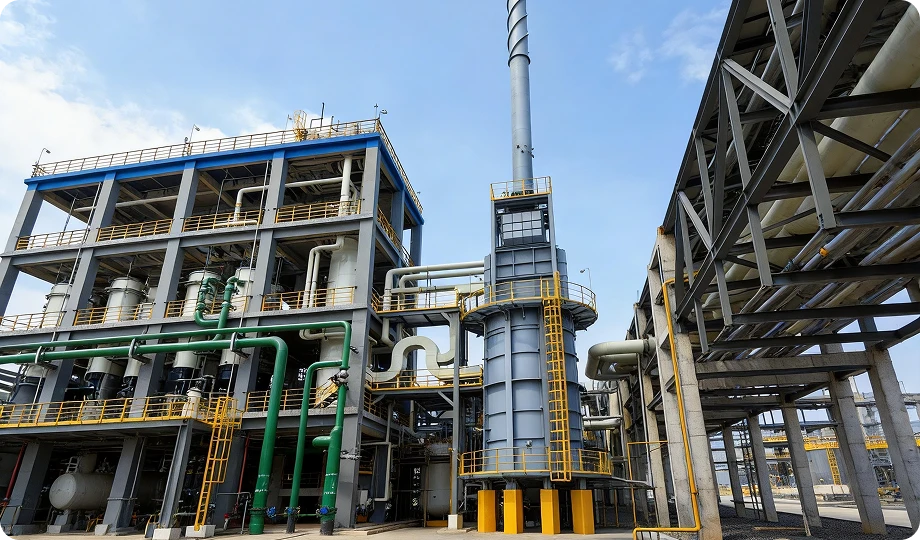
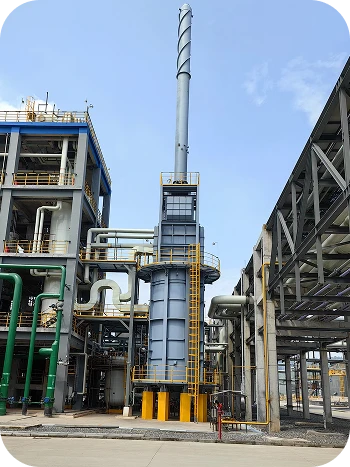
Ethylene Cracking Furnace Project for Large Petrochemical Complex
Project background:
Participation in a large-scale ethylene cracking furnace project for a major petrochemical complex, with multiple furnace units under construction.
Key requirement:
Stable fabrication quality, accurate structural assembly, and coordinated delivery for a large ethylene furnace project.
Gelan support:
- Cracking furnace module fabrication support
- Structural and assembly quality control
- Coordination with site installation and lifting progress
Result:
The project moved forward smoothly during installation and supported reliable commissioning and start-up.
Related Equipment for Cracking Furnace
Feed Preheater
Preheats feedstock or air before entering the furnace to improve reaction efficiency and reduce energy loss.
Waste Heat Boilers
Recovers heat from flue gas to generate steam and improve overall energy efficiency.
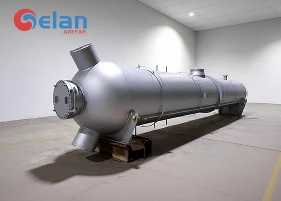
Shell & Tube Heat Exchangers
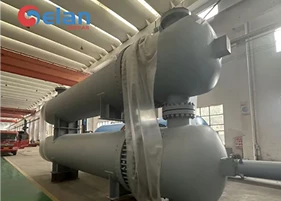
Used for heat recovery and cooling in quench and downstream processes.
FAQs About Cracking Furnace
What is a cracking furnace used for?
A cracking furnace is used to convert hydrocarbons into lighter, high-value products under high temperatures. It is widely used in ethylene production and fluorochemical processes.
What is the difference between an ethylene furnace and a cracking furnace?
An ethylene furnace is a type of cracking furnace specifically designed for ethylene production. Cracking furnaces can also be designed for other processes such as fluorochemical production.
How does an ethylene cracker process work?
In a typical ethylene cracker process, feedstock such as ethane or naphtha is heated and cracked at high temperatures. The products are then cooled, compressed, and separated into final outputs like ethylene.
What factors affect cracking furnace design?
Cracking furnace design depends on several key factors:
- Feedstock type (ethane, propane, naphtha, fluorinated intermediates)
- Target products (ethylene, TFE, VDF, HFP)
- Operating temperature and reaction conditions
- Required capacity and operating cycle
At Gelan, we design cracking furnaces based on these real process conditions rather than standard configurations.
What is steam cracking in ethylene production?
Steam cracking is the main process used in ethylene production. It uses high temperatures to break down hydrocarbons into smaller molecules such as ethylene.
How do you choose the right cracking furnace for your plant?
The right cracking furnace depends on your process conditions, feedstock, and product targets.
You should consider temperature requirements, material selection, energy efficiency, and expected operating cycle.
Working with an experienced supplier like Gelan can help you match furnace design to your specific process and avoid unnecessary risk.
Start Your Cracking Furnace Project with Gelan
Tell us your feedstock, product targets, and operating conditions. We will help you define the right cracking furnace design for your process.