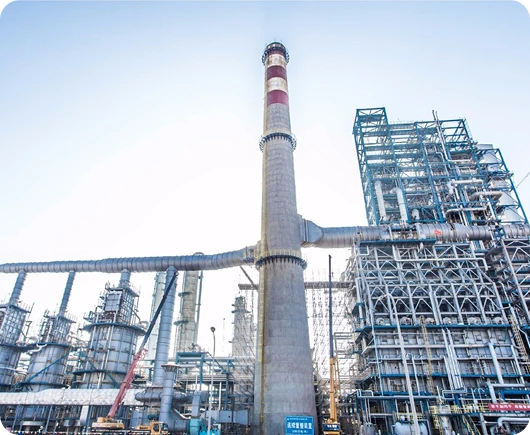
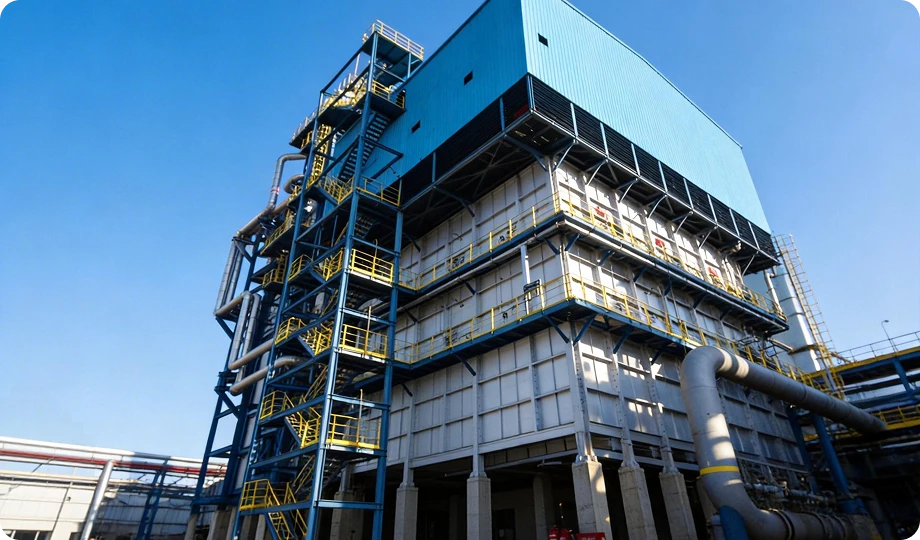
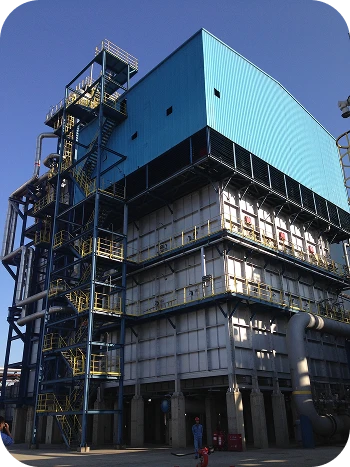
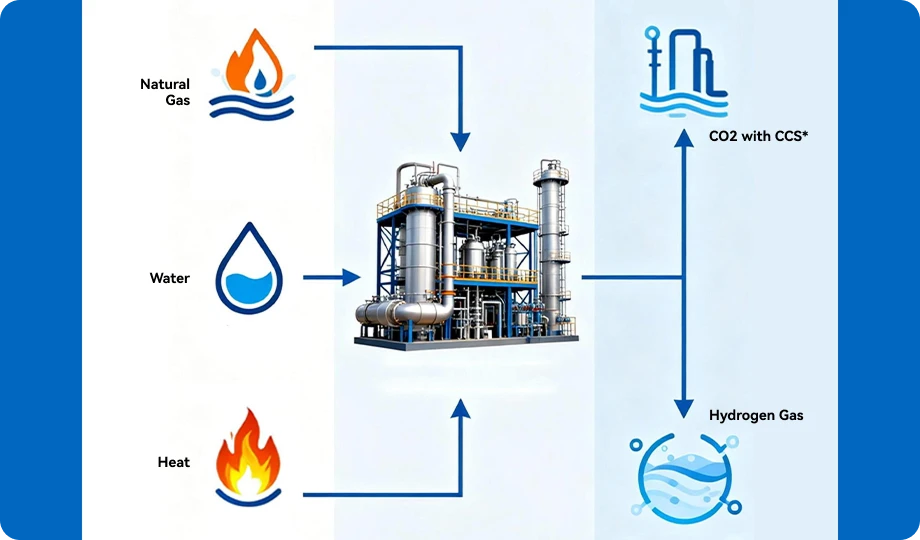
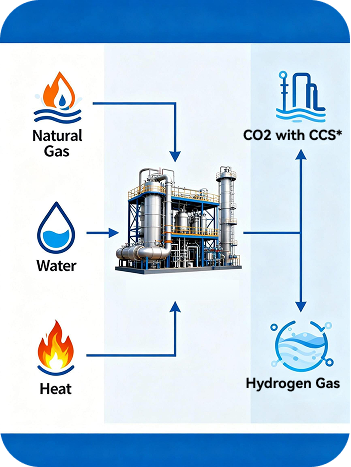
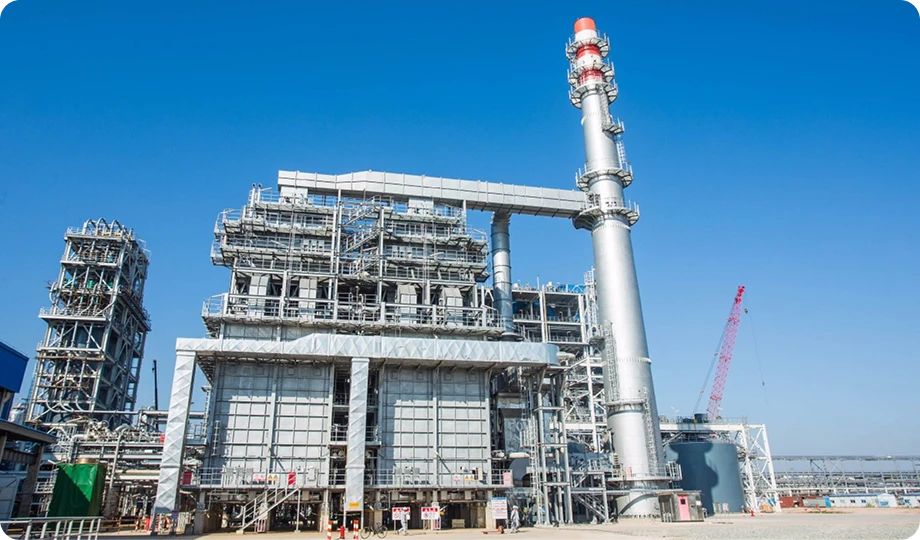
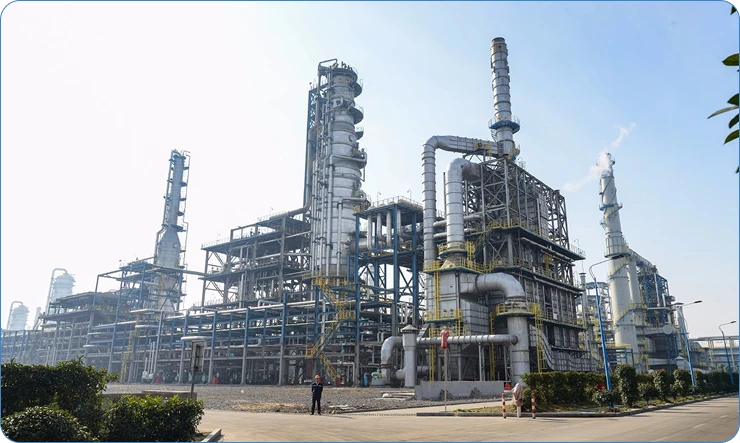
Steam methane reformers are the core equipment used to convert natural gas into hydrogen at industrial scale. At Gelan, we design and manufacture high-performance SMR furnaces and modular reforming units for EPC and hydrogen production projects.
SMR is the most widely used and cost-effective hydrogen production technology for large-scale industrial projects. In real plants, the SMR furnace is the core unit that affects hydrogen output, energy efficiency, and long-term operating cost.
STEP 1
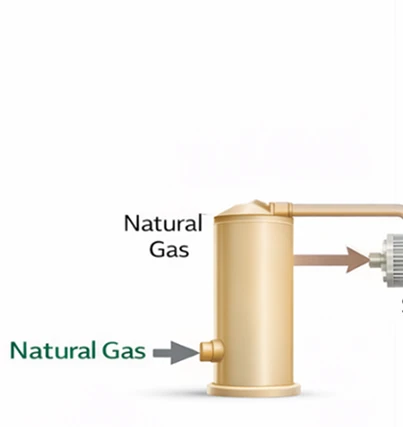
Natural gas is cleaned, mixed with steam, and preheated before entering the furnace.
STEP 2
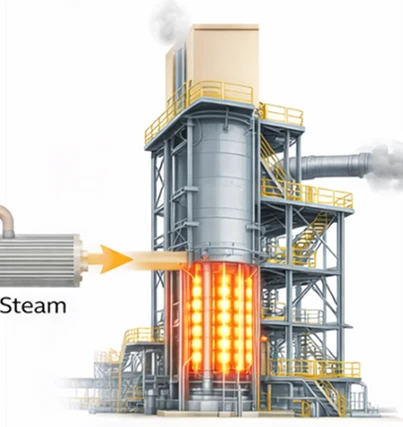
Inside catalyst-filled tubes, methane reacts with steam at high temperature to produce hydrogen-rich gas.
STEP 3
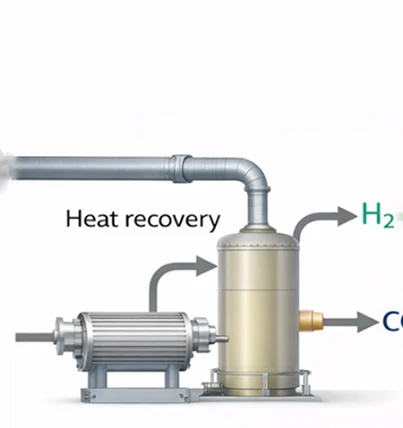
The gas is further processed to improve hydrogen yield and purity.
STEP 1
STEP 2
STEP 3
Natural gas is cleaned, mixed with steam, and preheated before entering the furnace.
Inside catalyst-filled tubes, methane reacts with steam at high temperature to produce hydrogen-rich gas.
The gas is further processed to improve hydrogen yield and purity.
SMR design parameters vary depending on feed gas composition, hydrogen capacity, and overall plant configuration. Below is the typical engineering range based on Gelan project experience.
| Parameter | Typical Range / Specification | Gelan Capability |
|---|---|---|
| Hydrogen Capacity | 1,000 – 200,000 Nm³/h | Custom design for small to large-scale hydrogen plants |
| Reforming Temperature | 800 – 950°C | Stable furnace design for high-temperature operation up to 950°C |
| Operating Pressure | 15 – 30 bar | Optimized design based on process efficiency and plant requirements |
| Feedstock | Natural gas / Refinery gas | Flexible design for different gas compositions |
| Steam-to-Carbon Ratio | 2.5 – 3.5 | Adjustable according to catalyst and operating conditions |
| Furnace Type | Top-fired / Side-fired | Customized based on project layout and process needs |
| Reforming Tubes | HK / HP / Micro-alloy tubes | Long-life material selection for high-temperature service |
| Tube Diameter | 90 – 150 mm | Optimized for heat transfer and pressure drop balance |
| Tube Length | 6 – 12 m | Flexible design based on furnace capacity |
| Tube Wall Temperature Deviation | ≤ ±10–15°C | Improved heat distribution for stable reforming performance |
| Thermal Efficiency | 85% – 92% | Up to 92%+ with optimized furnace and heat recovery design |
| Burner System | Natural gas / Refinery gas burners | Stable combustion with optional low-NOx design |
| NOx Emissions | Project-dependent | Low-NOx option available, typically <50 mg/Nm³ |
| Fabrication Scope | Shop fabrication + site installation | Factory pre-assembly and testing before shipment |

In real projects, SMR performance is not only about temperature. It depends on how well the furnace, materials, and system are engineered together.At Gelan, we design SMR furnaces based on real operating conditions, not just theoretical calculations.
Uniform heat distribution directly affects hydrogen yield and tube lifetime.
Gelan design approach:
Typical performance:
Better heat uniformity means longer tube life and stable operation.
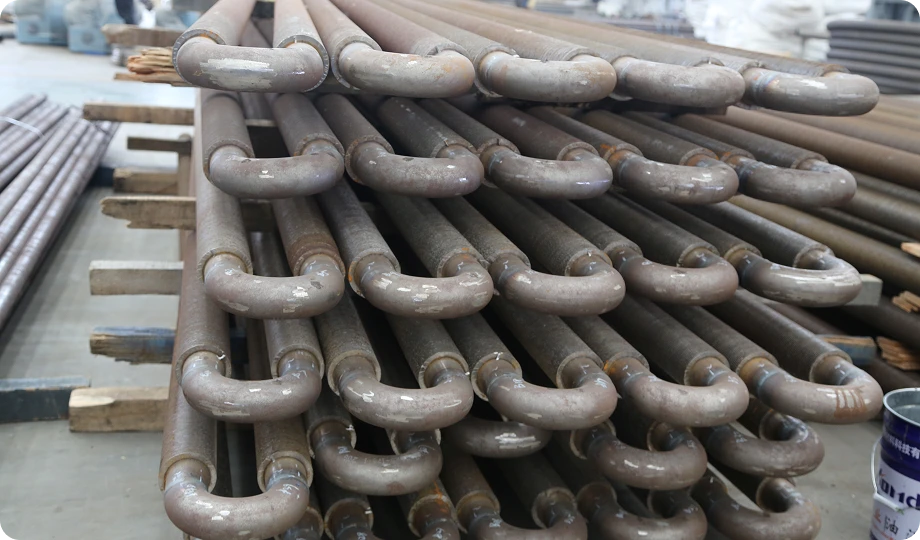
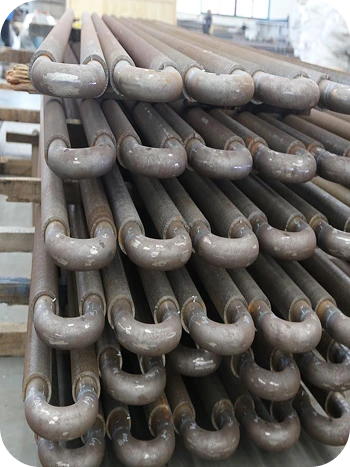
Reforming tubes are the most critical and costly components in SMR.
Gelan solution:
Typical performance:
Longer tube life = lower maintenance cost and fewer shutdowns.
Combustion stability affects both safety and efficiency.
Gelan design:
Typical performance:
A well-designed SMR system must recover as much heat as possible.
Gelan integration capability:
Typical results:
This is where real cost savings happen in long-term operation.
Project characteristics
Gelan solution
Gelan solution
Natural gas or refinery gas is typically required, with controlled sulfur content to protect catalysts.
Yes. SMR can be delivered as a standalone furnace or as part of a full hydrogen production system, including heat recovery and purification units.
Most industrial SMR units range from 1,000 to 200,000 Nm³/h, depending on project scale.
Yes. SMR systems are commonly integrated with waste heat boilers and preheaters to improve overall efficiency.
Yes. We work with EPC contractors and provide customized design based on process requirements, layout, and project specifications.
Tell us your project requirements, and we will help you design the right SMR solution.