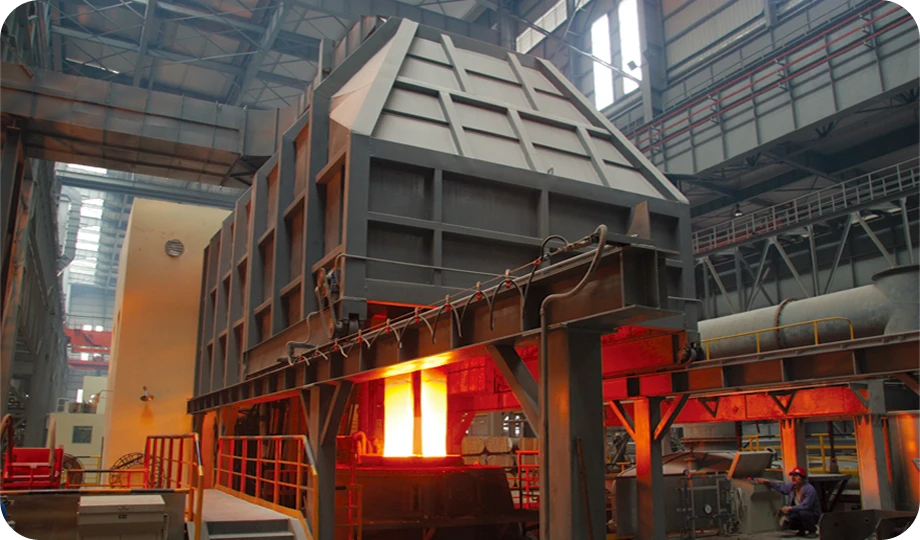
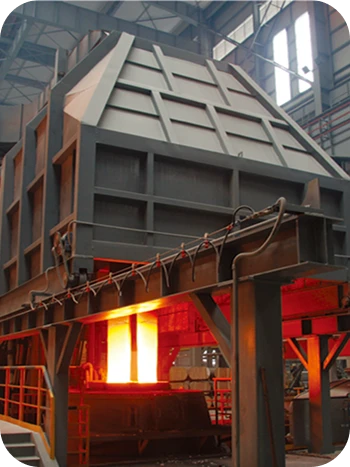
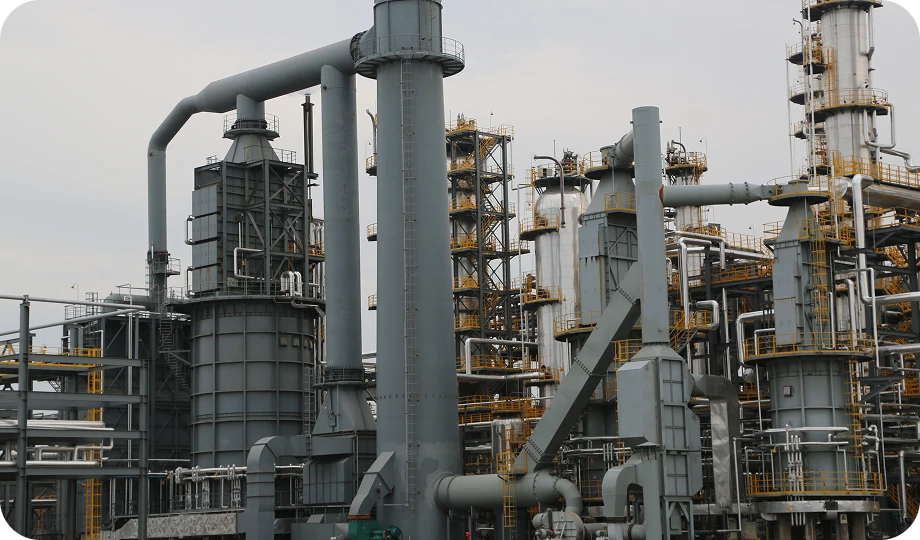
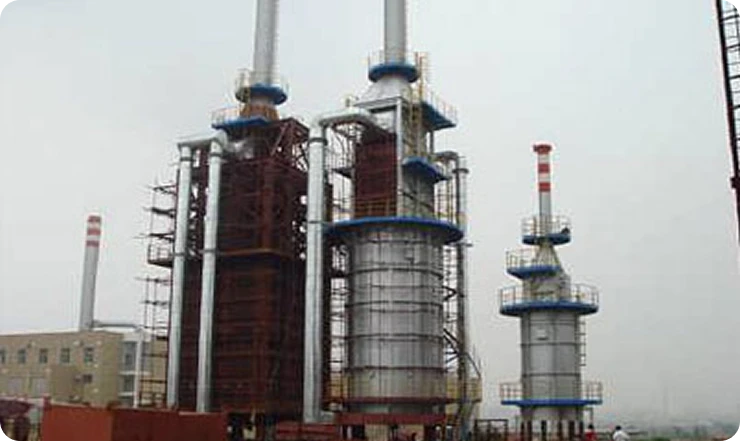
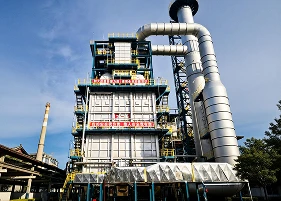
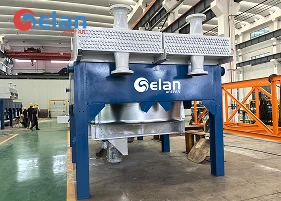
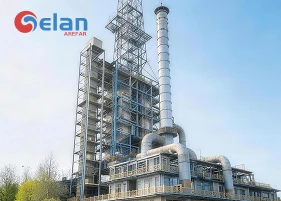
A vacuum distillation furnace heats atmospheric residue before it enters the vacuum tower for further separation.
At Gelan, we design and manufacture vacuum distillation furnaces for refinery projects, with a focus on uniform heat flux, reduced coking risk, and stable operation under vacuum conditions.
What Does a Vacuum Distillation Furnace Do in a Refinery
A vacuum distillation furnace heats atmospheric residue before it enters the vacuum tower for further separation. In a refinery VDU system, it provides the heat needed for vacuum distillation while helping control thermal cracking and coking risk.
Where the Vacuum Furnace Fits in the VDU Process
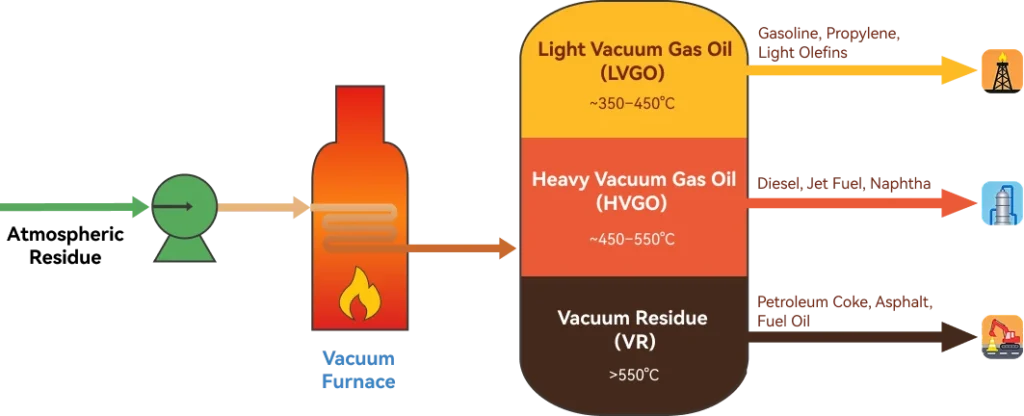
In a vacuum distillation unit (VDU), the vacuum distillation furnace is located upstream of the vacuum tower and provides the required heat for the separation process.
After atmospheric distillation, residue is heated in the vacuum furnace before entering the vacuum tower for separation under reduced pressure.
Learn More
How to Choose the Right VDU Furnace for Your Refinery Project
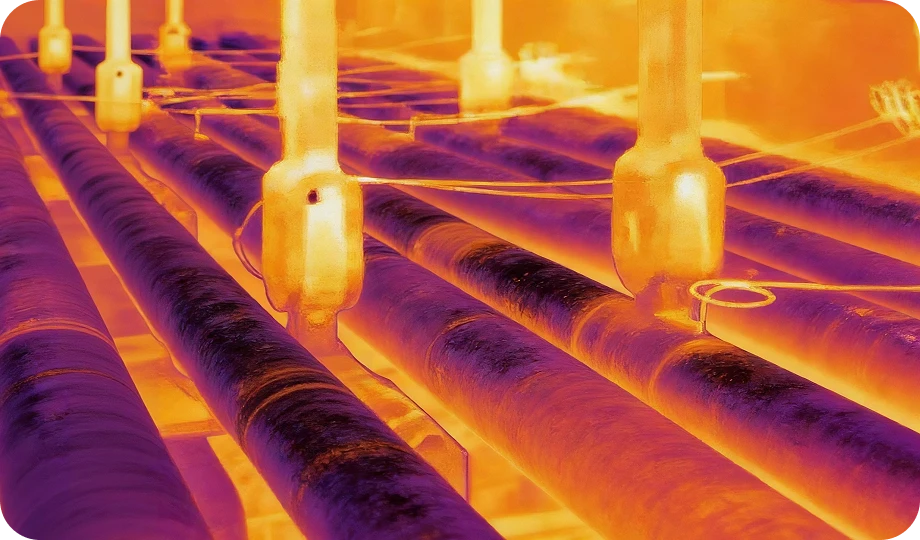
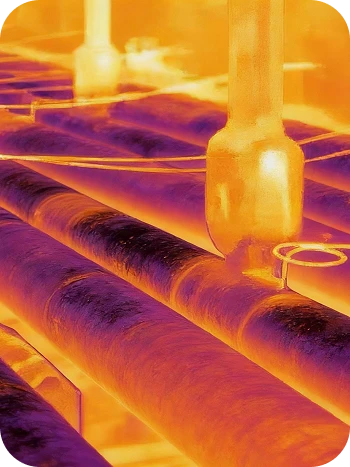
Uniform heat distribution is critical when heating heavy residue under vacuum conditions. Poor heat flux control can lead to local overheating and rapid coking.
Gelan approach:
Optimized burner layout for more uniform radiant heat distribution
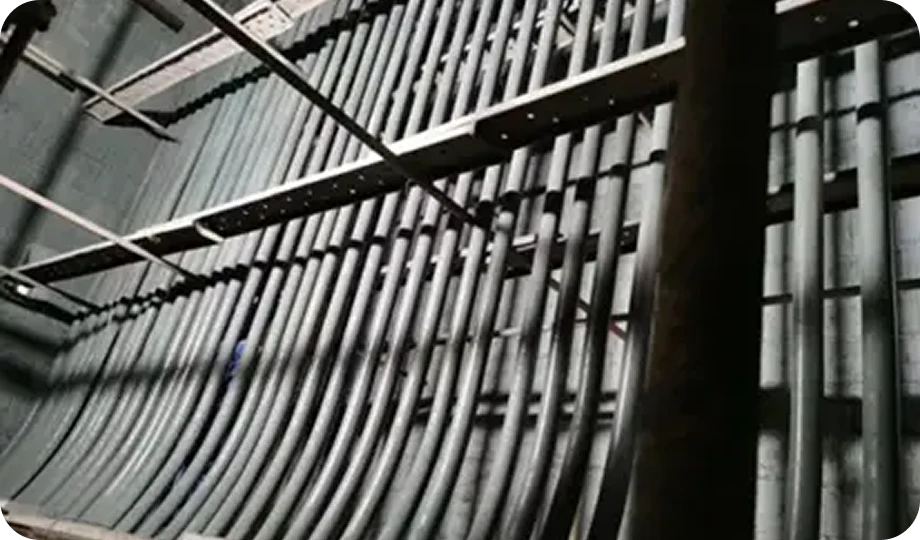
Tube arrangement designed to reduce local hotspots
Typical performance:
≤ ±10–15°C tube wall temperature deviation
Reduced coking tendency under heavy residue service
02
Heavy Residue Handling Capability
VDU furnaces must handle high-viscosity, high-asphaltene feed, which increases fouling risk and affects heat transfer performance.
Gelan approach:
Design adjusted based on residue properties and viscosity
Heat intensity and residence time optimized for heavy feed
Typical performance:
Stable heating under heavy residue conditions
Lower fouling rate during operation
03
Long-Cycle Operation and Fouling Control
Frequent shutdown for decoking can significantly increase maintenance cost and reduce plant availability.
Gelan approach: :
Tube layout and spacing optimized to limit fouling buildup
Material selection adapted for high temperature and long-term operation
Typical performance:
Extended run length between maintenance cycles
Improved overall unit availability
04
VDU System Integration and Stability
The furnace must be properly matched with the vacuum tower and upstream systems to ensure stable separation performance.
Gelan approach:
Design based on actual VDU operating data and process requirements
Temperature and flow conditions optimized for system compatibility
Typical performance:
Stable operation under vacuum conditions
Improved separation efficiency in the VDU system
Where Vacuum Distillation Furnaces Are Used
Typically applied in refinery CDU systems and integrated processing units.
Applied in crude oil refining to process heavy fractions and improve overall product value from residual feedstock
Oil Refining
Used in large-scale processing environments where stable handling of heavy hydrocarbons is required
Petrochemical Industry
Vacuum Distillation Furnace Projects Delivered by Gelan
Vacuum Furnace Application in 80,000 BPD Refinery VDU Upgrade
Project Background:
Vacuum distillation furnace supplied for a refinery upgrade project supporting an 80,000 BPD unit, processing atmospheric residue in the VDU section.
Key requirement:
Stable heating of heavy residue under vacuum with controlled coking risk.
Gelan support:
Customized furnace design for heavy residue service
Heat flux and tube layout optimization
Result:
Tube wall temperature deviation controlled within ≤ ±10–15°C
Noticeable reduction in coking and fouling tendency
Stable operation during initial run cycle after commissioning
Related Equipment in the Vacuum Distillation Process
Atmospheric Furnace
Heats crude oil before distillation and provides atmospheric residue feed for the vacuum distillation unit.
What does a vacuum distillation furnace do in a refinery?
A vacuum distillation furnace heats atmospheric residue before it enters the vacuum tower, enabling separation of heavy fractions under reduced pressure.
Why is vacuum required in a distillation unit?
Vacuum lowers the boiling point of heavy fractions, allowing separation at lower temperatures and helping reduce thermal cracking and coking risk.
What is the typical operating temperature of a VDU furnace?
Typical furnace outlet temperature is around 380–420°C, depending on feedstock and process requirements.
What causes coking in a vacuum furnace?
Coking is mainly caused by high tube metal temperature and long residence time, especially when processing heavy residue.
How can coking be reduced in VDU furnaces?
Coking can be reduced through uniform heat flux distribution, proper tube design, and controlled residence time during heating. At Gelan, furnace design focuses on heat flux control and tube layout optimization to help reduce fouling risk under heavy residue conditions.
Is a vacuum distillation furnace a standard product?
No. VDU furnaces are typically custom-designed based on feed properties, unit capacity, and operating conditions. Gelan supports refinery and EPC projects with tailored furnace design based on actual process data.
What are the main products of a vacuum distillation unit?
Typical products include light vacuum gas oil (LVGO), heavy vacuum gas oil (HVGO), and vacuum residue (VR).
How does furnace performance affect the VDU system?
Furnace performance directly impacts separation efficiency, coking tendency, and overall unit stability. A well-designed furnace helps improve temperature control, reduce fouling, and support stable VDU operation.
Get a Quote for Your VDU furnace Project
Get a customized vacuum distillation furnace solution from Gelan based on your actual operating conditions.