Thermal Oxidizer and Industrial Incinerator Manufacturer
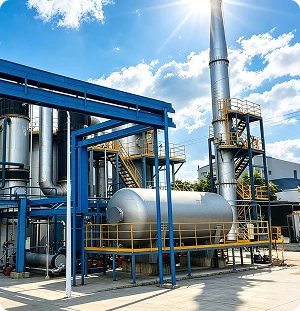
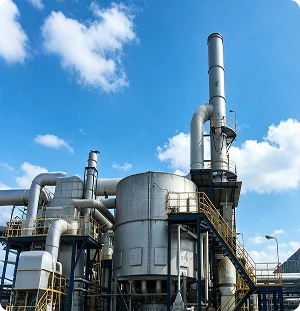
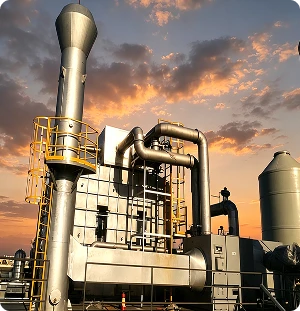
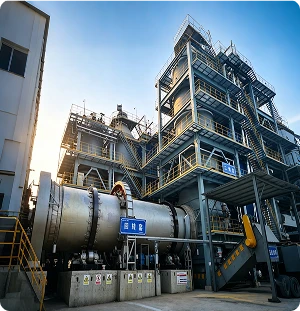
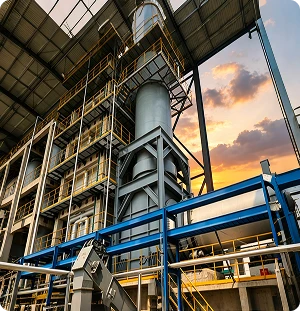
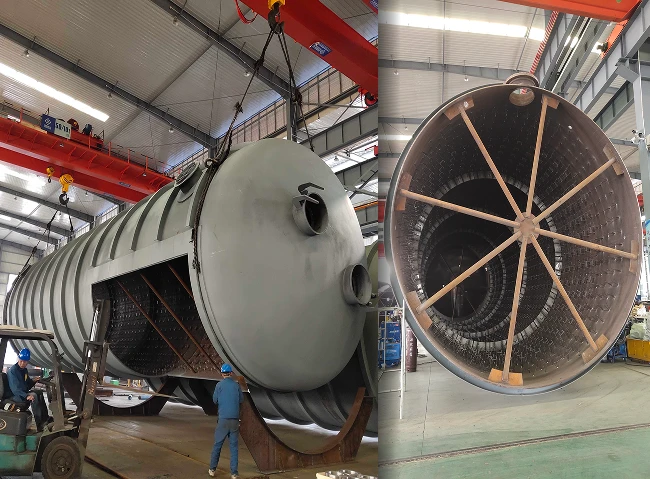
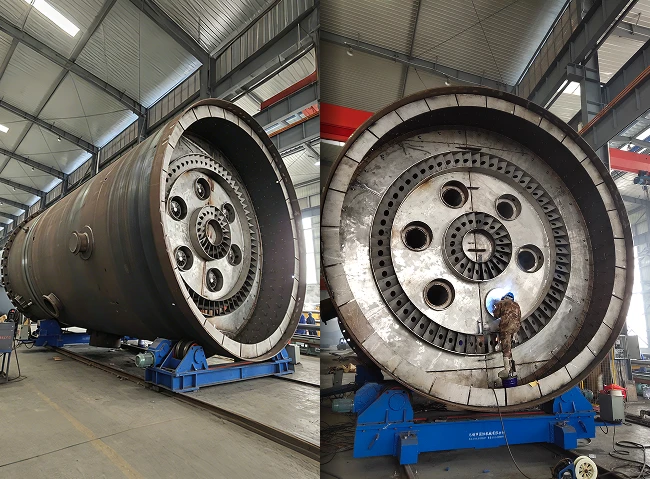
Gelan manufactures custom thermal oxidizers and industrial incinerators for waste gas, tail gas, VOCs, CO-rich gas, and hazardous process emissions.
We help refinery, petrochemical, chemical, and energy projects treat harmful gas streams with equipment built around real gas data, emission targets, and combustion requirements.
Incinerator and Thermal Oxidizer Equipment We Manufacture
Choose the equipment by the waste stream you need to treat. Gelan reviews gas composition, flow rate, heating value, and emission targets before manufacturing custom incinerators and thermal oxidizers.
Waste Gas Incinerator
For refinery, petrochemical, and chemical process waste gas
If your process unit generates waste gas, tail gas, VOCs, CO-rich gas, or hazardous emissions, the incinerator position affects treatment performance, heat recovery value, and final stack discharge. Not sure where the incinerator fits? Start from your process route below.
Furnace Waste Gas
Hydroprocessing Reactor Vessel
When to Use
Use this route when furnace-area waste gas or high-temperature emissions need controlled oxidation before stack release.
Incinerator problems often start before fabrication: wrong gas data, weak burner matching, poor residence time control, unsuitable materials, or missing review documents. Gelan helps reduce these risks before equipment delivery.
01
Combustion Chamber Sized by Real Waste Gas Data
RISK TO AVOID
Undersized chamber, unstable oxidation, and late design changes.
GELAN APPROACH
Review gas flow, composition, heating value, moisture, oxygen demand, and emission target before chamber design.
02
Handle Dirty, Hot, and Corrosive Gas
RISK TO AVOID
Undersized chamber, unstable oxidation, and late design changes.
GELAN APPROACH
Review gas flow, composition, heating value, moisture, oxygen demand, and emission target before chamber design.
03
Burner Matching for Load Changes
RISK TO AVOID
Flame instability, high auxiliary fuel use, and poor operation during load changes.
GELAN APPROACH
Match burner, air supply, auxiliary fuel demand, and chamber layout with gas flow and heating value changes.
04
Material and Refractory Selection for Harsh Gas
RISK TO AVOID
Corrosion, refractory damage, thermal deformation, and difficult maintenance.
GELAN APPROACH
Consider high temperature, moisture, acidic gas, corrosive components, dust, refractory lining, and expansion allowance.
05
Heat Recovery Review After Incineration
RISK TO AVOID
Wasted heat, poor heat recovery value, or added pressure drop after combustion.
GELAN APPROACH
Review whether hot flue gas can connect with a waste heat boiler or economizer after incineration.
06
Documents Ready for EPC Review
RISK TO AVOID
Review delays, shipment delays, and incomplete handover documents.
GELAN APPROACH
Support drawings, material certificates, welding records, inspection reports, NDT records, and handover documents.
Where Industrial Incinerators and Thermal Oxidizers Are Used
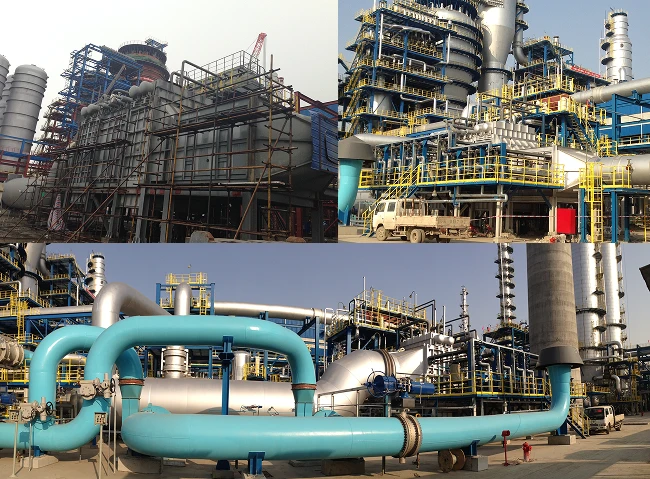
Industrial incinerators and thermal oxidizers are used when process plants generate waste gas, VOCs, tail gas, CO-rich gas, or hazardous emissions that cannot be released directly. Gelan supports custom equipment manufacturing for refinery, petrochemical, chemical, hydrogen, and energy projects.
For refinery off-gas, sour gas, CO-rich gas, and hazardous emissions before stack discharge
Refining
For VOCs, reactor vent gas, solvent vapor, and organic waste gas from petrochemical units
Petrochemical
For corrosive gas, odorous gas, solvent vapor, and hazardous waste streams from chemical plants
Chemical Processing
For tail gas, purge gas, and combustible emissions from reforming and hydrogen production projects
Hydrogen Production
For harmful or combustible waste gas that needs treatment before final stack release
For harmful or combustible waste gas that needs treatment before final stack release.
Power
Why Project Teams Choose Gelan for Incinerator Equipment
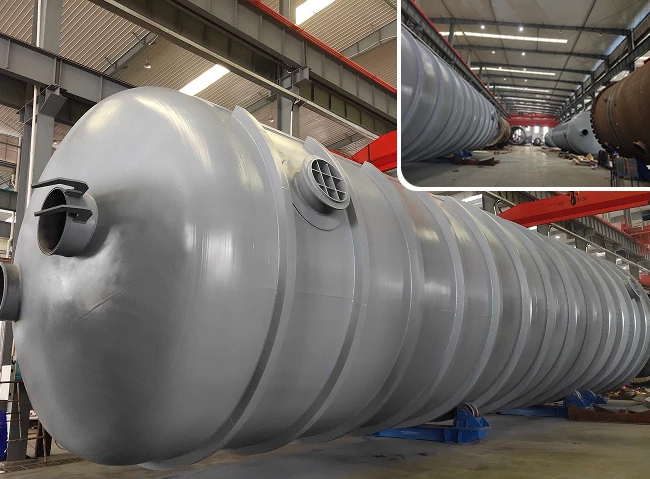
Gelan is not only a single-equipment supplier. We support EPC teams, engineering companies, and plant owners with custom static equipment manufacturing, project coordination, inspection support, and delivery planning for industrial projects.
THE GELAN STANDARD
Project-Based Custom Manufacturing
Built around project specifications, process conditions, layout limits, transport needs, and delivery requirements.
Custom size, material, structure, and interfaces
Better fit for refinery, petrochemical, and chemical projects
Multi-Equipment Factory Capability
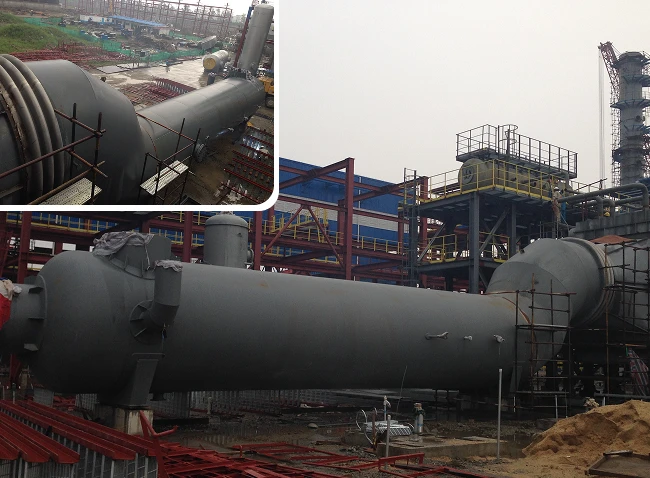
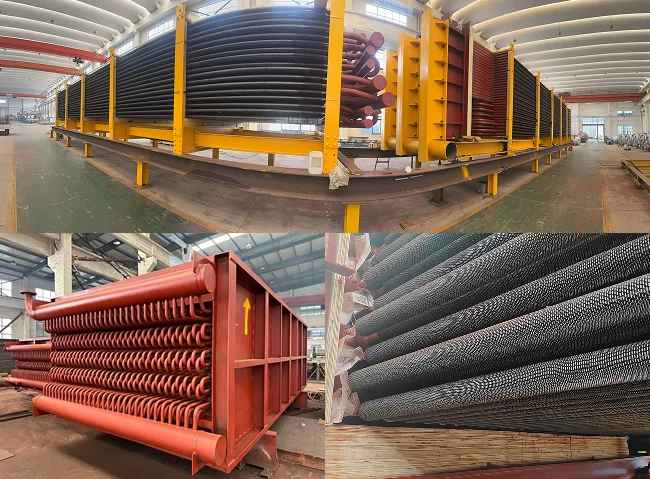
Gelan manufactures incinerators, waste heat boilers, economizers, preheaters, fired heaters, heat exchangers, pressure vessels, and other static equipment.
Easier coordination across related equipment
Fewer supplier-interface gaps
High-Temperature Equipment Experience
Gelan works with equipment used in hot, corrosive, high-pressure, or complex industrial service.
Better understanding of thermal expansion, refractory, welding, and inspection needs
More suitable for demanding industrial projects
Engineering Communication Before Production
Technical details, drawings, interfaces, inspection items, and delivery needs are clarified before fabrication.
Fewer changes during production
Easier EPC review and project communication
Manufacturing and Delivery Coordination
Production, inspection, testing, packing, shipment, and handover documents are planned around project schedule.
Supplies fixed models or simple fabricated equipment.
Less flexible for non-standard project needs
More adjustment work for EPC teams
Single-Product Supply
Focuses mainly on one equipment type.
More suppliers to manage
Higher interface and coordination pressure
Basic Fabrication Mindset
Focuses mainly on making the shell or steel structure.
Less attention to hot-service details
Higher long-term operation risk
Price-First Communication
Quotation comes before enough technical clarification.
More pressure after shipment
More back-and-forth during review
Factory Shipment Only
Support may stop after equipment completion.
More pressure after shipment
Delivery documents may need extra follow-up
INDUSTRY EXPERIENCE YEARS
10+
PROJECT DELIVERY
100+
ON-TIME DELIVERY
95%
RESPONSE TIME WITHIN
8H
INDUSTRY EXPERIENCE YEARS
10+
PROJECT DELIVERY
100+
ON-TIME DELIVERY
95%
RESPONSE TIME WITHIN
8H
Inside Gelan Incinerator and Thermal Oxidizer Fabrication
Watch short videos from Gelan’s workshop, including fabrication, welding, refractory work, inspection, and delivery. See how custom incinerator and thermal oxidizer equipment is built for real industrial projects.
FAQs About Thermal Oxidizers and Industrial Incinerators
Q1: How do I know if my project needs a thermal oxidizer or industrial incinerator?
You may need a thermal oxidizer or industrial incinerator if your waste gas cannot be released directly and needs controlled high-temperature treatment before stack discharge. Common cases include:
VOCs or solvent vapor
Tail gas or purge gas
CO-rich gas
Odorous or toxic gas
Hazardous gas or liquid waste
Waste gas before stack release
Hot flue gas with heat recovery value
Gelan can review your gas data first, then help check whether your project needs a direct thermal oxidizer, thermal incinerator, tail gas incinerator, or heat recovery route.
Q2: What is a thermal oxidizer used for?
A thermal oxidizer is used to treat industrial waste gas, VOCs, solvent vapor, tail gas, CO-rich gas, and other harmful or combustible emissions before discharge. It heats the gas stream under controlled conditions, so harmful components can be oxidized before the gas goes to the stack. For industrial projects, the equipment should match your:
Waste gas source
Gas composition
Flow rate
Heating value
Moisture
Emission target
Project standard
Gelan manufactures custom thermal oxidizer and industrial incinerator equipment based on real project conditions.
Q3: What is the difference between a thermal oxidizer and an incinerator?
A thermal oxidizer usually refers to equipment used for controlled oxidation of VOCs, solvent vapor, organic gas, and combustible waste gas. An incinerator is a broader term. It can include:
Waste gas incinerator
Tail gas incinerator
Liquid waste incinerator
Hazardous waste incinerator
Thermal incinerator
Gas incinerator
In industrial projects, these terms often overlap. Gelan focuses on custom high-temperature equipment for industrial emission treatment, not small standard disposal units.
Q4: What is the difference between a thermal oxidizer and a flare?
A flare is often used for emergency release, pressure relief, or intermittent combustible gas disposal. A thermal oxidizer is usually used for more controlled and continuous emission treatment before discharge. A thermal oxidizer is more suitable when your project needs:
Stable combustion
Temperature and residence time control
Continuous waste gas treatment
Heat recovery after oxidation
Project review and emission treatment support
If your project only needs emergency vent gas burning, a flare may be considered. If your project needs controlled waste gas treatment before stack release, a thermal oxidizer or industrial incinerator is usually a better fit.
Q5: What waste gas data should I provide before requesting a quote?
Please send as much waste gas data as possible. This helps Gelan avoid rough selection and review the right combustion chamber, burner, material, refractory lining, and heat recovery interface. Useful data includes:
Waste gas source
Gas composition
Flow rate
Inlet temperature
Pressure
Heating value
Moisture content
Oxygen content
VOC, CO, or hazardous component concentration
Dust or corrosive components
Emission target
Project standard
Heat recovery requirement
Site layout or space limit
If some data is not ready, you can still send your current process conditions. Gelan can help review what information is missing.
Q6: Can a thermal oxidizer or incinerator include heat recovery?
Yes. If the outlet flue gas still carries useful heat, heat recovery can be considered after combustion.
Common downstream equipment may include:
Waste heat boiler
Economizer
Heat recovery section
Steam generation equipment
This depends on outlet flue gas temperature, steam demand, dust level, corrosion risk, pressure drop, layout space, and project energy target.
Gelan can manufacture related equipment such as waste heat boilers and economizers. This helps EPC teams reduce interface gaps between the incinerator and downstream heat recovery equipment.
Q7: How do I choose between direct thermal oxidizer, RTO, recuperative oxidizer, and catalytic oxidizer?
The right technology depends on gas flow, VOC concentration, heating value, dust, moisture, corrosion risk, energy target, and emission requirement. In simple terms:
Direct thermal oxidizer / DTO: for direct high-temperature oxidation of waste gas, VOCs, tail gas, and combustible emissions
Regenerative thermal oxidizer / RTO: for large air volume and lower VOC concentration where ceramic heat recovery has value
Recuperative thermal oxidizer: for projects that need heat exchange to reduce fuel use
Catalytic oxidizer: for suitable VOC streams with catalyst-friendly gas composition
Thermal incinerator: for waste gas, tail gas, hazardous gas, liquid waste, or mixed waste that needs robust high-temperature treatment
Gelan does not recommend choosing by equipment name alone. Send your gas data first, so the technical route can be checked against real project conditions.
Q8: Can Gelan manufacture CO incinerators, tail gas incinerators, or hazardous waste incinerators?
Yes. Gelan can support custom industrial incinerator equipment for different emission treatment duties, including:
CO incinerator
Tail gas incinerator
Waste gas incinerator
VOC thermal oxidizer
Gas incinerator
Liquid waste incinerator
Hazardous waste incinerator
For refinery, petrochemical, chemical, hydrogen, and energy projects, Gelan reviews the waste stream, combustion duty, material risk, inspection needs, and delivery documents before manufacturing.
Send Your Waste Gas Data. Get Equipment Review.
Share your gas source, composition, flow rate, temperature, and emission target. Gelan will help review the right incinerator or thermal oxidizer route.
Send Your Requirements
Share your project needs, drawings, or specifications. Our team will review your request and reply within 8 hours.